 How-to
Buying Foreclosure Properties in California 2026
Table of Contents
- Buying Foreclosure Properties in California 2026: What Changes This Year
- The California Foreclosure Auction Process, Step by Step
- California Foreclosure Homes for Sale: Where to Find Them
- Your Foreclosure Property Due Diligence Checklist
- Financing a Foreclosure Home: Cash, Loans, and Real Costs
- Buying Before, At, or After the Auction: A 2026 Decision Framework
- Frequently Asked Questions
Last Updated: October 22, 2026
Buying Foreclosure Properties in California 2026: What Changes This Year
Buying foreclosure properties in California in 2026 rewards preparation over speed. At The Jacques Team, we watch these listings move through the official Realtor® database every 15 minutes, so we know how fast a good opportunity disappears.
Most buyers think foreclosure means "cheap." It usually means "complicated." The discount exists, but it is paid for in due diligence, cash requirements, and legal risk.
This guide walks through the full 2026 workflow, from pre-foreclosure to bank-owned inventory: where listings live, what to check before bidding, how financing works, and how to decide whether to buy before, at, or after the auction.
The California Foreclosure Auction Process, Step by Step
California foreclosures are mostly nonjudicial, running through a trustee rather than a court. The process follows a fixed sequence under state law, and each step changes what a buyer can verify and when.
- Notice of default (NOD) is recorded by the trustee after the borrower falls behind. Under the California Civil Code foreclosure provisions, the NOD starts a reinstatement period that generally runs about three months for most residential loans.
- Reinstatement period gives the borrower time to catch up and stop the sale. A borrower can reinstate up to five business days before the scheduled auction date by paying the past-due amount plus trustee costs.
- Notice of sale (NOS) is recorded and published, setting the auction date. The NOS must be published, posted, and mailed at least 20 days before the sale, and the sale itself cannot occur until at least three months after the NOD was recorded.
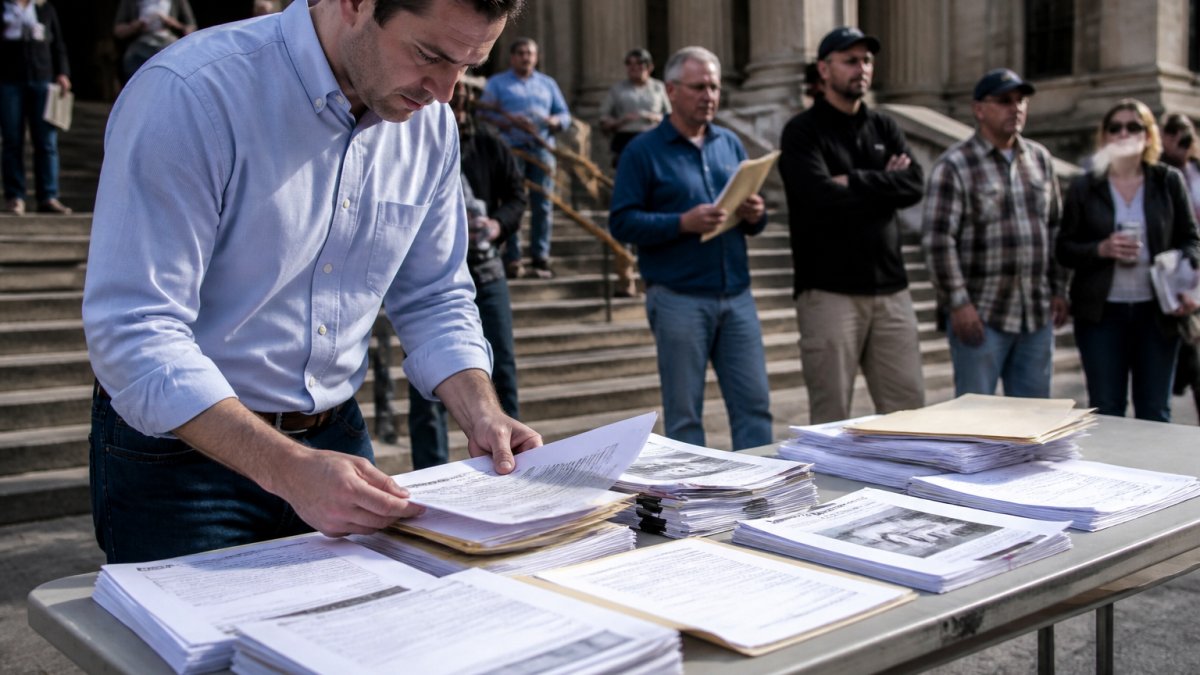
- Trustee sale takes place at a public auction, often on the courthouse steps or at a designated public location, between 9 a.m. and 5 p.m. on a business day. The trustee can postpone the sale orally at the auction without re-recording the NOS, which is why bidders who show up on the original date may find the sale moved.
- Post-sale transfer moves the property to the winning bidder or back to the lender as REO. The winning bidder must pay the full bid in cash or a cashier's check immediately, and the trustee issues a trustee's deed after the sale is completed.
The California Civil Code foreclosure provisions set the notice periods and sale rules. Buyers should read the trustee's notice carefully, because the unpaid balance and auction date drive every decision that follows.
Trustee Sale Rules and Eligible Bidders
Trustee sales are cash events. The opening bid usually reflects the unpaid balance plus trustee costs and fees, not market value.
Before the auction, most trustees require bidders to register and show proof of funds, commonly a cashier's check payable to the trustee, often $5,000 to $10,000 or a percentage of the opening bid.
California law also places limits on who may bid in certain situations.
What to Verify Before the Auction
A California-specific auction due diligence checklist should cover the items that decide whether a bid is safe:
- Pull the recorded NOD and NOS from the county recorder and confirm the auction date, time, and location
- Order a title search and identify every lien, including junior deeds of trust, HOA liens, tax liens, and judgment liens
- Confirm which liens will be wiped out by the trustee's deed and which will survive
- Check property tax status with the county tax collector and any special assessments
That last point matters: the opening bid is a debt figure, not a value figure. A property with a $400,000 opening bid and $80,000 in deferred maintenance is no discount if comparable homes sell for $450,000.
California Foreclosure Homes for Sale: Where to Find Them
California foreclosure homes for sale show up in three places: pre-foreclosure notices, trustee sale lists, and bank-owned inventory. Each stage has its own listing source and its own level of competition.
- Pre-foreclosure: found in county recorder records and through agent networks, before the auction.
- Auction listings: published in the notice of sale and through trustee websites.
- REO and bank-owned: listed on the MLS once the lender takes the property back.
The freshest data wins here. Our platform pulls from the official Realtor® database every 15 minutes, so new listings, price changes, and sold data reach you fast. You can draw custom map boundaries, save searches, and set daily email alerts for new listings, price changes, and sold data.
That speed matters most with distressed inventory.
Your Foreclosure Property Due Diligence Checklist
A foreclosure property due diligence checklist is the difference between a bargain and a money pit. Run these checks before you commit funds.
- Pull the trustee's notice and confirm the auction date and unpaid balance
- Order a title search and review every lien on the property
- Check property tax status and any county assessments
- Confirm occupancy, and whether the home is owner-occupied or a tenant lives there
Title, Liens, and Occupancy Checks
Title problems are the quiet killer of foreclosure deals. Junior liens, code violations, and unpaid taxes can follow the property after the sale. A title search tells you what is attached and what gets wiped out.
Occupancy is the other wildcard. A tenant or former owner still living there can take time and legal process to clear, so budget for that timeline before you bid.
Financing a Foreclosure Home: Cash, Loans, and Real Costs
Financing a foreclosure home depends on when you buy. Auction purchases usually require cash; pre-foreclosure and REO purchases can use a mortgage, though approval takes time and the property must qualify. Here is a realistic total-cost comparison across the four funding routes buyers actually use.
| Purchase Stage | Typical Financing | Speed | Main Risk |
|---|---|---|---|
| Pre-foreclosure | Conventional, FHA, or VA loan | Weeks | Seller may still reinstate; short sale timelines vary |
| Trustee auction | Cash or cashier's check | Same day | No inspection, no title cure, deposit at risk |
| REO / bank-owned | Conventional, FHA, VA, or renovation loan | Weeks | As-is condition, lender addenda, appraisal repairs |
| Post-purchase rehab | Renovation loan or HELOC | Weeks after closing | Higher rate, lender-approved contractor rules |
What Each Loan Program Actually Allows
Not every loan program works on every distressed property. A few practical rules of thumb:
- Conventional loans generally require the property to be habitable and appraisable. A home with a failed roof, missing systems, or active code violations may not qualify without repairs first.
- FHA loans allow some cosmetic issues but require the property to meet minimum property standards. Peeling paint, exposed wiring, and certain safety issues can stop the loan until repaired.
- VA loans have similar property-condition requirements and are only available to eligible veterans, service members, and surviving spouses.
- Renovation loans such as FHA 203(k) or Fannie Mae HomeStyle let a buyer finance the purchase and the rehab in one loan, but they require lender-approved contractors, inspections, and a longer timeline. They are a fit for REO properties with predictable repairs, not for auction purchases.
The properties with the deepest discounts are often the ones that fail standard financing, not a coincidence. Cash buyers are paid for taking on the condition and title risk lenders will not underwrite.
The Real Cost Stack
The purchase price is only the first line. A realistic 2026 total-cost estimate for a foreclosure should include:
- Purchase price or winning bid
- Auction deposit and balance (certified funds, same-day for trustee sales)
- Closing costs, including escrow, title insurance, recording, and transfer taxes
- Back property taxes and any special assessments that survive the sale
- HOA dues, fines, and transfer fees if the property is in an association
A property that looks like a 15% discount can erase that gap once repairs, back taxes, and carrying costs are counted. Underwrite the all-in number, not the headline bid.
Auction Funding Mechanics
Auction purchases are not mortgage transactions. The trustee expects certified funds, and the winning bidder typically must deliver the full balance the same day. Buyers who plan to bid should:
- Confirm the deposit amount and acceptable form of payment with the trustee in advance
- Arrange cashier's checks or wire instructions before the auction date
- Have a reserve for overbids, since competition can push the price above the opening bid
- Understand that a winning bid is a binding contract with no financing contingency
Lenders also look closely at property condition. A home that fails an appraisal or inspection may not qualify for a standard loan. That is why many investors keep cash ready for auction and use financing on REO inventory instead.
Consumer Financial Protection Bureau homebuying guidance is a solid starting point for understanding loan options and buyer protections before you commit.
Buying Before, At, or After the Auction: A 2026 Decision Framework
The best stage to buy depends on your cash, risk tolerance, and available time.
- Before the auction: more time to inspect and negotiate, but the seller may still save the home.
- At the auction: deepest discounts, but cash only and no inspection.
- After the auction: easiest financing and cleanest title, but more competition and a smaller discount.
Owner-occupants usually fare safest with the post-auction REO route. Investors with cash and title experience can get the best price at the trustee sale.
The Jacques Team built its search tools around this decision.
Consumer Financial Protection Bureau homebuying guidance is a solid starting point for understanding loan options and buyer protections before you commit.
Frequently Asked Questions
How do you buy a foreclosed home in California?
You can buy at three points. During pre-foreclosure, you negotiate directly with the owner before the trustee sale. At the trustee sale, you bid in person or through a trustee-approved method and pay cash in most cases, with no inspection period. After the sale, if the lender takes the property back, it becomes an REO and you submit a standard purchase offer with financing, inspections, and escrow. Each route has different risk, timelines, and paperwork, so match the route to your cash position and tolerance for repairs.
Can you inspect a home before buying it at a foreclosure auction?
Usually no. Trustee sales are sold as-is, with no contingency period, and the interior is often occupied, so you cannot walk through it. Your due diligence happens from the outside: drive the property, check county records for liens and the trust deed, review comparable sales, and budget for worst-case repairs. Treat the unpaid balance and opening bid as a starting point, not a value estimate. Build a repair reserve into your maximum bid before you raise your hand.
Can you finance a foreclosure purchase?
It depends on the stage. Trustee sales generally require cash or a cashier's check on the day, so financing a foreclosure home at auction is rare. REO and pre-foreclosure purchases can use conventional, FHA, or VA loans, but expect stricter property condition rules and longer timelines. Get loan approval before you shop, and confirm your lender's rules on as-is properties. A cash purchase followed by a refinance is another common path for investors.
What is the difference between a foreclosure auction and an REO sale?
At a foreclosure auction, the trustee sells the property to the highest bidder on the courthouse steps, typically for cash, with no inspections or contingencies. If no one meets the opening bid, the lender takes the property back and it becomes an REO, or bank-owned property. REO sales work like normal resales: you submit a purchase offer, use escrow, request inspections, and often finance the purchase. REOs usually cost more but carry less unknown risk.
Buying foreclosure properties in California in 2026 rewards buyers who prepare, verify, and move fast. The process is unforgiving of shortcuts, but the opportunity is real for those who do the work. At The Jacques Team, we give you live MLS data, interactive map search, and instant valuations so you can spot distressed deals before the crowd. Get started with The Jacques Team and track foreclosure listings in your target neighborhoods today.